
Cuss Words in Sign Language (ASL)
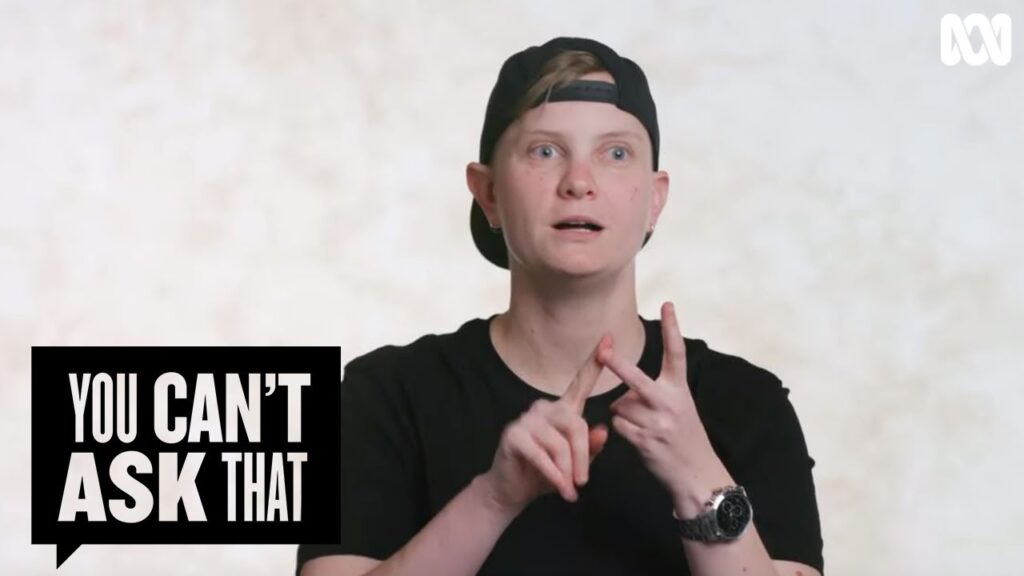
The sign for Cuss Words refers to profanity or vulgar language often used to express strong emotions or frustration. While cursing may be frowned upon in formal settings, it can play a role in expressing intensity in casual conversations among friends or in specific cultural contexts. In Deaf culture, as in hearing culture, cuss words can often convey sentiments that other words might not fully express.
[VIDEO_PLACEHOLDER]
Table of Contents
Forming the sign
- Handshape: Start with a flat handshape, with fingers extended and together, resembling a “B” handshape.
- Location: Position your dominant hand in front of your chest, about shoulder height.
- Movement: Move your hand forward in a quick, assertive flicking motion followed by a slight downward motion. This movement suggests emphasis and intensity, aligning with the emotional weight of the words.
- Non-manual signals: Integrate facial expressions that convey frustration or surprise. Furrowing your brow or widening your eyes can enhance the emotional delivery.
This gesture encapsulates the essence of “cuss words” by combining physical movement with expressive facial cues, making it relatable and impactful in conversation.
Using “Cuss Words” in sentences
In a casual conversation, one might say, “I can’t believe what happened today; I just had to use some cuss words!” This illustrates how the sign is used to denote a moment of frustration or surprise. Another example could be, “When I stubbed my toe, cuss words slipped out without thinking!” Here, the sign serves to emphasize the involuntary and emotional aspect of using profanity.
Signs related to “Cuss Words”
There are several related signs that can help convey similar sentiments or contexts:
- Frustration: A sign that captures feelings of being overwhelmed or annoyed.
- Anger: This sign conveys strong feelings of displeasure or rage.
- Surprise: This sign can accompany moments that might provoke cursing.
- Emotion: A broader category that encapsulates the feelings that can lead to the use of cuss words.
Understanding regional variations
While the sign for Cuss Words generally holds a consistent form across different regions, there may be slight variations in hand movement or accompanying facial expressions depending on local Deaf community norms. Observing and adapting to these nuances can enhance communication effectiveness and foster better connections within diverse groups.
FAQ
What situations might prompt the use of Cuss Words?
Common situations include moments of surprise, frustration, or pain, where the emotional weight of the experience might lead to the spontaneous use of profanity.
Are cuss words considered offensive in Deaf culture?
The use of cuss words can vary greatly within Deaf culture. While they may often be used among friends in informal settings, it’s essential to be mindful of context and audience as some may find them offensive.
How can I express intensity without using Cuss Words?
There are alternative signs and expressions to convey strong emotions, such as using signs for frustration, anger, or surprise, which can communicate similar sentiments without resorting to profanity.
Can Cuss Words be used humorously in conversation?
Yes, cuss words can sometimes be used humorously among friends to lighten the mood or emphasize a funny story. Context is key to understanding when it’s appropriate.
Is there a way to sign Cuss Words more discreetly?
If you want to convey the meaning without using explicit signs, you might use non-manual signals or gestures that hint at frustration without explicitly signing the words.
Practice ASL Signs
Use your camera to practice signs and get real-time AI feedback on your technique.
Free · No signup required