
Culture in Sign Language (ASL)
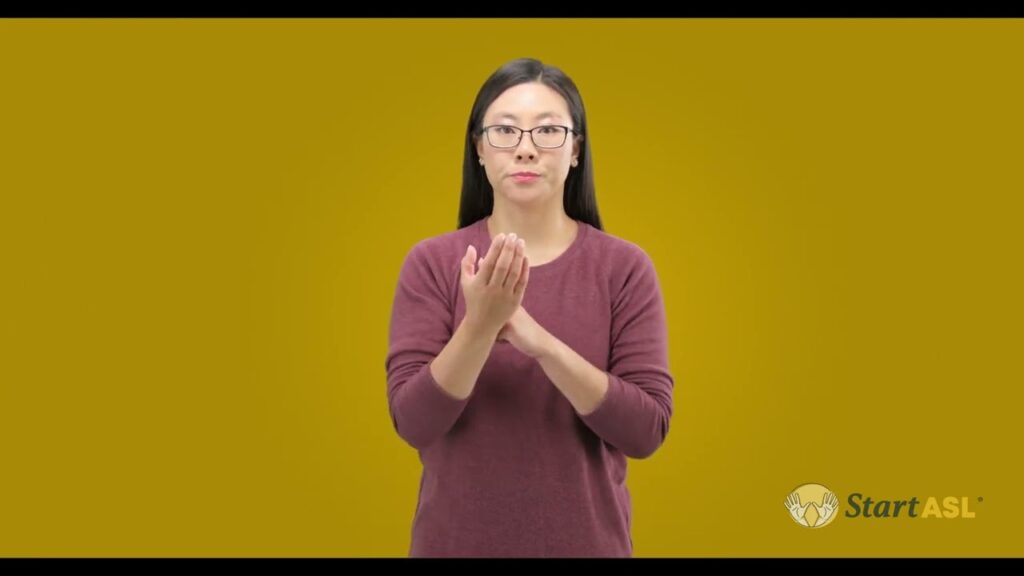
The sign for Culture represents the rich tapestry of traditions, beliefs, languages, and practices that characterize a group of people. It’s commonly used in discussions surrounding identity, heritage, and community within the Deaf world and beyond, showcasing how different cultures influence communication and social interactions.
[VIDEO_PLACEHOLDER]
Table of Contents
Forming the sign
- Handshape: Use the letter “C” handshape. The palm should be facing outward, and the fingers should be curved into a ‘C’ shape.
- Location: Start with your dominant hand in front of your chest, approximately at the level of your sternum.
- Movement: Move the hand forward slightly while keeping the ‘C’ shape. This movement should be gentle and fluid, emphasizing the idea of expanding culture outward.
- Non-manual signals: Facial expressions play a significant role. A slight nod or an engaging facial expression can enhance the meaning and convey the richness of culture.
The movement and handshape reflect the essence of culture as a living, evolving concept that connects people and their experiences. When signing “Culture,” it’s essential to convey not just the form but the significance behind it, which can be enhanced through your expressions and body language.
Using “Culture” in sentences
In practice, “Culture” can be utilized in various contexts. For example, you might say:
- “Deaf Culture is vibrant and full of unique traditions.” (Here, you can sign ‘Deaf’ before ‘Culture’ to specify the context).
- “I love learning about different cultures around the world.” (In this case, you can sign ‘different’ to refer to multiple cultures.)
Using “Culture” in sentences helps emphasize its importance in conversations about identity, community, and mutual understanding among diverse groups.
Signs related to “Culture”
Here are some signs that are related to “Culture,” showcasing different aspects of life and community:
- Identity – Represents one’s sense of self and belonging.
- Community – Signifies a group of people often united by common culture or interests.
- Tradition – Refers to customs and practices passed down through generations.
- Diversity – Emphasizes the variety within cultures and communities.
- Heritage – Relates to the history and legacy one inherits from previous generations.
Regional variation
The sign for Culture may vary in different regions or within different Deaf communities. While the basic handshape and movement remain consistent, the intensity of the movement and additional embellishments can differ based on local customs and preferences. Observing these variations can enhance your understanding of the rich diversity within Deaf Culture globally and promote more effective communication.
FAQ
What is the significance of the sign for Culture?
The sign for Culture is significant as it encapsulates the essence of shared beliefs, practices, and languages among a group, making it an essential part of discussions about identity and community.
Can I use the sign for Culture in academic discussions?
Absolutely! The sign is suitable for academic discussions, especially when exploring topics related to anthropology, sociology, or cultural studies.
Are there alternative signs for Culture in ASL?
While “Culture” is commonly signed as described, regional variations may exist. It’s useful to learn from local Deaf individuals to understand any unique signs used in specific communities.
How can I improve my signing of Culture?
To improve your signing, practice in front of a mirror or with a fluent signer. Focus on clear handshapes and expressive facial expressions to convey the meaning effectively.
Is Culture only related to ethnic backgrounds?
No, Culture encompasses a wide range of human experiences, including but not limited to ethnic backgrounds, beliefs, art forms, and social practices.
Practice ASL Signs
Use your camera to practice signs and get real-time AI feedback on your technique.
Free · No signup required