
Cake in Sign Language (ASL)
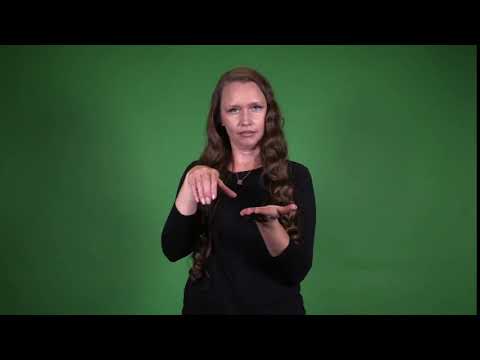
The sign for Cake represents the delicious dessert that many enjoy on birthdays and special occasions. It’s a straightforward sign that embodies the joy associated with celebrations and sweet treats. You can use this sign when discussing desserts, baking, or even planning a party.
[VIDEO_PLACEHOLDER]
Table of Contents
Forming the sign
- Handshape: Use a flat “B” handshape with your dominant hand. The fingers should be together and extended, resembling the surface of a cake.
- Location: Position your dominant hand in front of your body, approximately at chest height. This placement allows for clear visibility in conversation.
- Movement: Gently twist your dominant hand from side to side as you lightly bounce it up and down. This motion mimics the action of presenting or serving a cake.
- Non-manual signals: Enhance your expression with a smile or raised eyebrows to convey excitement. These facial expressions add to the celebratory nature of the sign.
The Cake sign is visually representative of the object itself, making it easy to understand for both Deaf and hearing individuals. The handshape and movement work together to evoke the image of a cake, emphasizing the treat’s flatness and the joy of sharing it.
Using “Cake” in sentences
Incorporating the sign for Cake into your sentences can enhance your storytelling or conversation about food. For example:
- “I am baking a Cake for my friend’s birthday.” (Sign “I” + sign “bake” + sign “Cake” + sign “friend” + sign “birthday”).
- “Do you want a piece of Cake?” (Sign “you” + sign “want” + sign “piece” + sign “Cake”).
These examples illustrate how the sign can be embedded in everyday dialogue. It’s especially useful during gatherings or when discussing food preferences, ensuring clarity in communication.
Signs related to “Cake”
There are several related signs that you might find helpful in conjunction with Cake:
- Birthday – Sign used to represent celebrations typically accompanied by cake.
- Dessert – A broader category that includes cake as a sweet option.
- Cook – The action that often precedes cake, highlighting the process of preparing food.
- Party – Often where cake is present, emphasizing social gatherings.
Common confusion with a similar sign
Many learners often confuse the sign for Cake with the sign for Pie. While both involve a flat handshape and similar movement, the Cake sign has a more pronounced upward bounce to signify excitement or celebration. Pay attention to the context in which the signs are used to avoid mix-ups.
FAQ
What is the correct handshape for “Cake”?
The correct handshape for Cake is a flat “B” handshape, with fingers together and extended.
Can I use the sign for “Cake” for other desserts?
While “Cake” specifically refers to that dessert, you can sometimes use it for other sweet treats in a casual context, but it’s best to use specific signs for clarity.
What facial expressions should I use when signing “Cake”?
Facial expressions such as smiling or raising your eyebrows can enhance the excitement and celebratory nature of the sign. It helps convey feelings associated with cakes.
Is there a regional variation for the sign “Cake”?
There may be slight variations in the sign’s movement or handshape depending on the region, but the basic concept remains the same across different Deaf communities.
When is it appropriate to use the sign for “Cake”?
You can use the sign for Cake whenever discussing desserts, baking, celebrations, or any context where cake is relevant, especially during birthdays and holidays.
Practice ASL Signs
Use your camera to practice signs and get real-time AI feedback on your technique.
Free · No signup required