
Breathe in Sign Language (ASL)
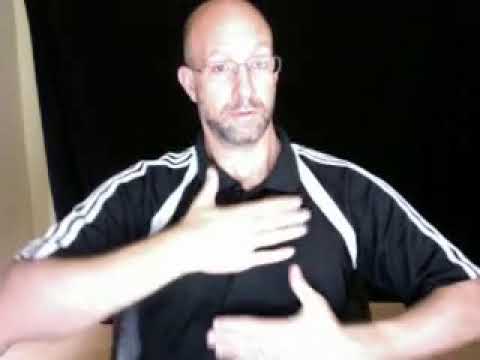
The sign for Breathe represents the physical act of inhaling and exhaling, which is essential for life. It can also convey a sense of calm or the need to pause and collect oneself. This sign is often used in conversations about health, relaxation techniques, or emotional states.
[VIDEO_PLACEHOLDER]
Table of Contents
Forming the sign
- Handshape: Start with your dominant hand in a flat ‘B’ handshape, fingers together and extended.
- Location: Position your hand just in front of your chest, around the height of your heart.
- Movement: Move your hand forward and slightly away from your body while maintaining the ‘B’ handshape. This motion mimics the action of taking a deep breath in.
- Non-manual signals: Pair the sign with a calm facial expression, perhaps slight widening of the eyes or a gentle smile, to emphasize tranquility.
When signing Breathe, the movement should be smooth and fluid, reflecting the natural rhythm of breathing. The handshape and motion together effectively convey the concept of inhalation and exhalation. By using appropriate facial expressions, you can add emotional depth to the sign, making it relevant to the context of the conversation.
Using “Breathe” in everyday signing
The sign Breathe can be integrated into various conversations, particularly those focused on relaxation or mindfulness. For instance, you might say, “Let’s take a moment to Breathe,” when encouraging someone to pause and reflect. Additionally, in discussions around health or anxiety, you could use the sign to suggest taking deep breaths as a calming technique.
Examples of sentences include:
- “When I’m stressed, I remember to Breathe.”
- “Breathe deeply to relax your mind.”
Signs related to “Breathe”
Several signs are related to the concept of Breathe, which can enhance your ability to communicate effectively. Here are a few:
- Calm – represents a peaceful state, making it a great complement to Breathe.
- Relax – focuses on easing tension, often linked with breathing techniques.
- Health – important in discussions about physical well-being and breath control.
- Deep – emphasizes the depth of breathing, particularly in relaxation contexts.
- Meditation – closely related to the practice of breathing for mental clarity.
Common confusion with a similar sign
Beginner signers might confuse Breathe with the sign for ‘Air’ or ‘Wind,’ which involves a different handshape and movement. Ensure that when signing Breathe, you maintain the specific ‘B’ handshape while moving it forward to avoid any misunderstandings. Watching videos or practicing with experienced signers can help clarify these differences.
FAQ
What is the best context to use the sign Breathe?
Breathe is often used in contexts relating to health, meditation, or relaxation techniques, making it ideal for conversations focused on managing stress or anxiety.
Can Breathe be used in different variations?
Yes, Breathe can take on different meanings based on facial expressions and accompanying signs, such as using it with Calm or Relax to enhance the message.
How do I practice the sign Breathe?
To practice, focus on the fluid motion and incorporate deep breathing as you sign. Watching video demonstrations and repeating the motion can be helpful.
Is Breathe used in conjunction with other signs?
Absolutely! Breathe can be paired with other signs like Relax, Calm, or Health to create richer, more meaningful sentences about wellness.
What are some common errors when signing Breathe?
Common mistakes include using the wrong handshape or not incorporating appropriate facial expressions. Practicing with a fluent signer can help correct these issues.
Practice ASL Signs
Use your camera to practice signs and get real-time AI feedback on your technique.
Free · No signup required