
Boots in Sign Language (ASL)
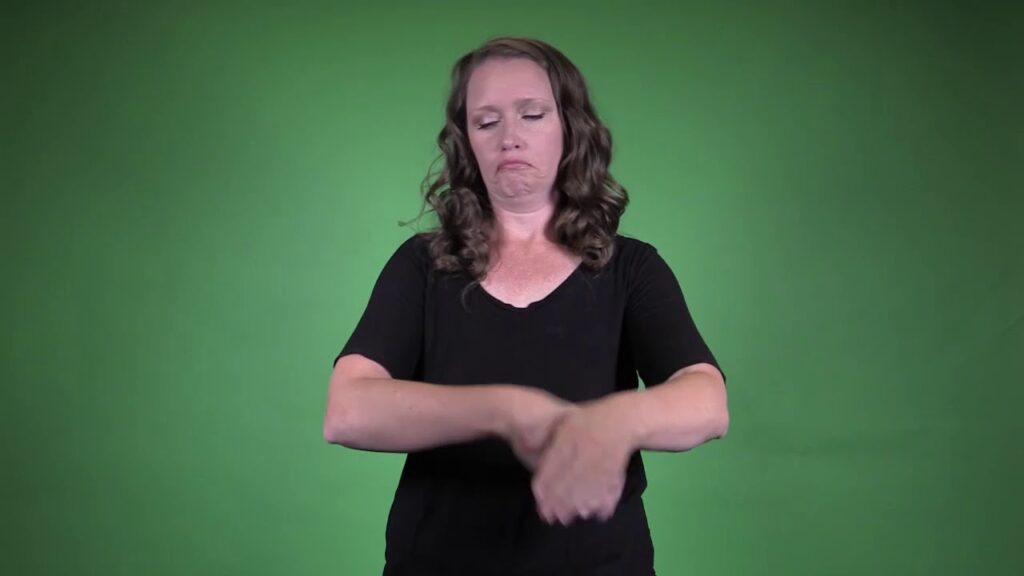
The sign “Boots” refers to a type of footwear designed to protect the foot and ankle while providing support, and is commonly used in various contexts like fashion, outdoor activities, or weather discussions. Whether you’re talking about stylish winter boots or sturdy hiking boots, this sign will come in handy in everyday conversation.
[VIDEO_PLACEHOLDER]
Table of Contents
How to Form the Sign for Boots
- Handshape: The dominant hand forms a flat handshape (the “B” handshape), with fingers extended and together, while your palm faces down.
- Location: The hand is placed in front of your body, typically around waist level, to represent where boots would sit on your legs.
- Movement: The sign involves a downward motion where the hand moves slightly downwards, simulating the action of putting on or wearing boots.
- Non-manual signals: You can add facial expressions to convey the context. A smile can indicate enjoyment of the boots, while a frown may denote discomfort or dissatisfaction.
To summarize, you form the “Boots” sign by using a flat “B” handshape, positioning it at waist level, and moving it downward. This helps visually represent the footwear and makes it easily recognizable in conversation.
Using “Boots” in Sentences
Here are some examples of how to incorporate “Boots” into everyday signing:
- I bought new boots: You can sign this by indicating “I” with your dominant hand pointing at yourself, followed by the sign for “buy” (which can be done using a flat handshape moving from the palm to the opposite side), and then the sign for “boots.”
- These boots are warm: Begin with the sign for “these” (motioning to the boots or indicating proximity), followed by “warm,” which is expressed by placing your hands near your chest and moving them outward slightly, concluding with “boots.”
- Do you like my boots? Here, you would sign “you” with a point towards the person you are addressing, followed by “like” (a thumbs-up gesture placed near your heart), and finally the sign for “boots.”
Signs Related to “Boots”
Familiarizing yourself with related signs can enhance your vocabulary. Here are a few signs that may be relevant:
- Shoes: Sign for general footwear.
- Sandals: This sign indicates open-toed footwear.
- Hiking: Related to outdoor activities where boots might be used.
- Winter: Often associated with wearing boots due to cold weather.
- Fashion: Discussing style choices that might include boots.
Common Confusion with Similar Signs
Sometimes, the sign for “Boots” can be confused with signs for other types of footwear. For instance, the sign for “Shoes” uses a different handshape and movement. Remember to differentiate by focusing on the context and the specific handshape used. The “B” handshape for “Boots” should be distinctively flat and palm-down, while “Shoes” may have a different configuration, typically resembling a “S” handshape.
Frequently Asked Questions about Boots
How do I sign “Boots” differently in various contexts?
The basic sign remains the same, but you can modify it with facial expressions to indicate your feelings about the boots, such as happiness for stylish boots or concern for uncomfortable ones.
Can I sign “Boots” if I’m talking about a specific type of boot?
Yes! You can add descriptive signs before “Boots” to specify, such as “Winter Boots” or “Hiking Boots” by signing “Winter” or “Hiking” followed by “Boots.”
Is there a sign for “Boots” in other sign languages?
Yes, many sign languages have their own signs for “Boots,” but they will vary significantly based on regional vocabulary and culture. Be sure to learn the appropriate sign for the specific sign language you are using.
What if I can’t remember the sign for “Boots”?
If you forget the sign, you can finger-spell “B-O-O-T-S” to convey your message until you recall the sign. It’s helpful to practice finger-spelling regularly to improve retention.
Practice ASL Signs
Use your camera to practice signs and get real-time AI feedback on your technique.
Free · No signup required