
Blouse in Sign Language (ASL)
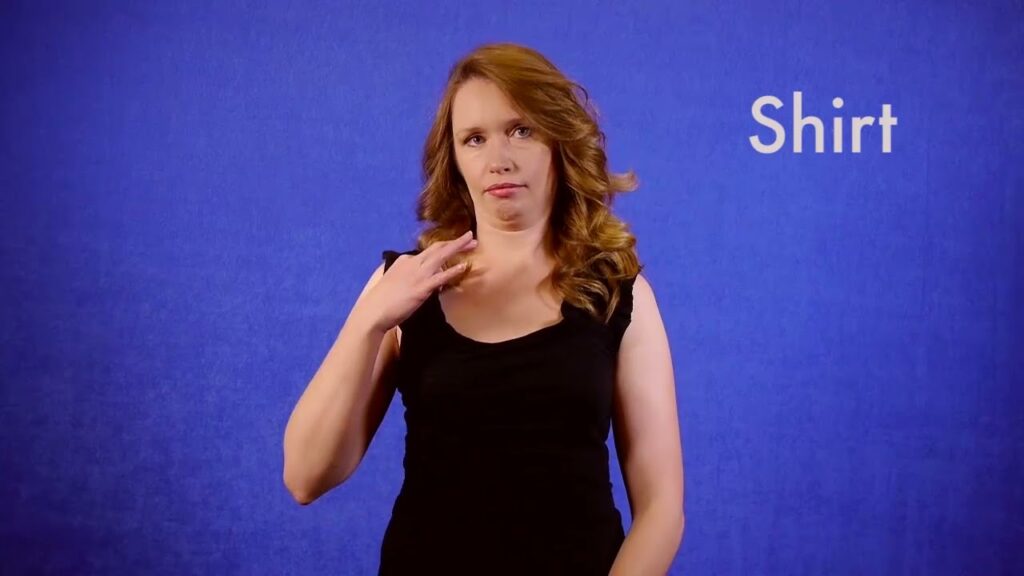
The sign “Blouse” refers to a type of women’s clothing that is typically loose-fitting and often made of soft, lightweight fabrics. Blouses can come in various styles, colors, and patterns, making them a popular choice for both casual and formal occasions. This sign is commonly used in discussions about fashion, clothing, or personal style.
[VIDEO_PLACEHOLDER]
Table of Contents
How to Form the Sign “Blouse”
- Handshape: Start with both hands in a “B” handshape. This means your fingers are extended together, with your thumb resting on the side of your palm.
- Location: Place your hands near the chest area, around where a blouse would typically be worn.
- Movement: Move both hands outward and slightly away from your body, as if you are showcasing the blouse or indicating its loose fit.
- Non-manual signals: A smile or a nod can enhance the sign, reflecting positivity or approval about the blouse being discussed.
This sign emphasizes the shape and flow of a blouse, making it visually descriptive. It is important to maintain a relaxed posture while performing the sign, as the style of clothing you are describing is often associated with comfort and ease.
Using “Blouse” in Sentences
When incorporating the sign “Blouse” into conversations, you may use it to describe what someone is wearing or to express your own fashion choices. For example:
- “I love your blouse! Where did you get it?”
- “I’m wearing a new blouse today.”
- “She prefers blouses over t-shirts.”
These examples highlight how “Blouse” can fit naturally into everyday discussions about clothing and style.
Signs Related to “Blouse”
- Shirt – A similar type of clothing, typically less formal and more fitted.
- Dress – A one-piece garment that is often worn for formal occasions.
- Skirt – A garment that hangs from the waist, distinct from a blouse in how it is worn.
- Pants – Another clothing item, covering the legs instead of the upper body.
- Fashion – A broader term encompassing all styles of clothing, including blouses.
Regional Variations of “Blouse”
The sign for “Blouse” may vary slightly depending on the region or the signing community. In some areas, signers may use a more exaggerated motion when showcasing the blouse, while in others, the sign may be more subtle. These variations can reflect local dialects and preferences within the Deaf community, emphasizing the rich diversity of ASL.
Common Confusion with a Similar Sign
Some learners might confuse the sign for “Blouse” with the sign for “Shirt.” While both signs start with a “B” handshape and are performed around the chest area, the movement and emphasis differ. “Blouse” involves a more outward motion to indicate its loose fit, while “Shirt” may be described with a more straightforward motion that reflects its fitted nature. Paying attention to these details will help clarify your intended meaning.
FAQ
What other words can be used to describe a blouse?
Terms like “top,” “tunic,” or “camisole” can sometimes be used interchangeably, but they refer to different styles. A blouse usually has specific characteristics like a collar or buttons.
When should I use the sign “Blouse”?
You can use this sign when discussing clothing, shopping, or sharing your personal style preferences. It’s particularly useful in fashion-related conversations.
Can I use “Blouse” for both formal and casual styles?
Yes, the sign is versatile and can refer to blouses of various styles, whether formal or casual. Just adjust your facial expressions to match the context of the conversation.
Is the sign for “Blouse” different in other sign languages?
Yes, other sign languages may have their own signs for “Blouse,” and the sign can vary significantly between different linguistic communities. Always be mindful of the context and audience.
Practice ASL Signs
Use your camera to practice signs and get real-time AI feedback on your technique.
Free · No signup required