
Belt in Sign Language (ASL)
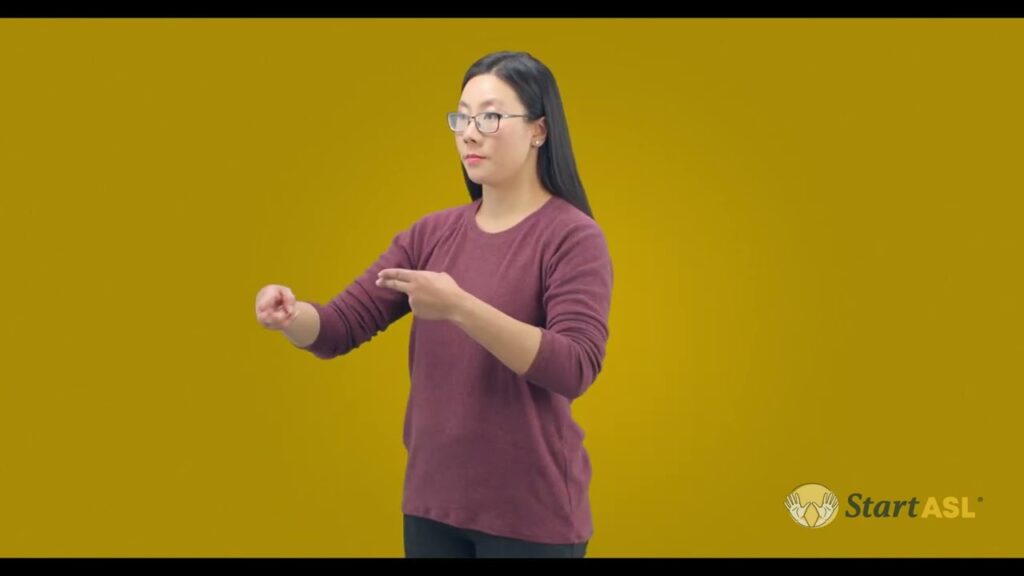
The sign for “Belt” represents the common clothing accessory worn around the waist to secure clothing. It is often used in discussions about fashion, clothing, and personal style. Understanding this sign can enhance conversations related to dressing and personal appearances.
[VIDEO_PLACEHOLDER]
Table of Contents
Forming the sign
- Handshape: Use a flat handshape with your dominant hand, fingers extended and close together.
- Location: Position your dominant hand at waist level, as if you are about to place a belt around your waist.
- Movement: Move your hand horizontally across your waist, mimicking the action of placing a belt around your body.
- Non-manual signals: Maintain a neutral facial expression or a slight smile to indicate a positive connotation about the belt or what it represents.
When forming the sign, focus on the fluidity of the motion to convey the action of securing a belt. The emphasis on the waist level is critical, as it places the sign within the context of where a belt is worn. This visual representation helps clarify the concept in communication.
Using “Belt” in sentences
In everyday conversation, you might say, “I need to find my belt,” which in ASL would involve signing “Belt” alongside signs for “I” and “find.” Another example could be, “My belt is too tight,” where you use appropriate signs for “my,” “belt,” and “tight” to effectively convey the message. Integrating the sign for “Belt” helps to express ideas clearly and connects the visual language of ASL to your spoken or signed sentences.
Signs related to “Belt”
Here are some signs that may be useful in conjunction with “Belt”:
- Clothes – Referring to garments worn on the body.
- Pants – Sign for the lower body garment often paired with a belt.
- Fashion – Discussing styles and trends relevant to clothing choices.
- Accessories – General term for items like belts that complement outfits.
Where this sign comes from
The sign “Belt” in ASL draws upon the visual and functional aspects of the object it represents. The movement closely mimics the action of tightening or securing a belt around the waist, making it intuitive for signers. This sign’s development reflects the practicalities of daily life, emphasizing the importance of clothing and accessories in personal expression.
Common confusion with a similar sign
Many learners may confuse the sign for “Belt” with the sign for “Band,” which involves a similar handshape and motion but is situated differently. The key difference is that “Belt” is performed at waist level, while “Band” may be signed at a broader range of locations depending on context. Practicing the distinct movements can help solidify the understanding of each sign’s meaning.
FAQ
Can “Belt” be used in different contexts?
Yes, “Belt” can refer to different types of belts, such as fashion belts, utility belts, or even metaphorical uses, like ‘belt’ in a phrase indicating strength or support.
Is there a specific way to show different types of belts?
While the basic sign remains the same, you can modify your facial expressions or incorporate additional signs to provide context about the type of belt, such as a leather belt or a fabric belt.
How do I practice the sign “Belt” effectively?
To practice, stand in front of a mirror and repeat the sign while saying the word “belt.” This will help you connect the motion with the word visually and aurally.
Are there regional variations for the sign “Belt”?
While the sign is generally consistent across various regions, some signers may incorporate slight variations in movement or facial expressions based on local dialects.
Practice ASL Signs
Use your camera to practice signs and get real-time AI feedback on your technique.
Free · No signup required