
Balance in Sign Language (ASL)
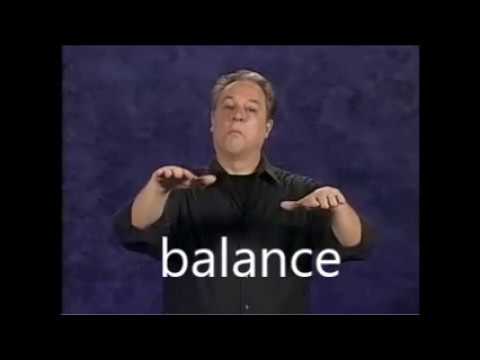
The sign “Balance” conveys the concept of stability and equilibrium, often used in contexts ranging from physical posture to emotional well-being. This sign can be applied in various scenarios, such as discussing life balance, maintaining composure, or even balancing objects. Understanding how to sign “Balance” effectively can enhance communication in both everyday conversations and more specialized discussions.
[VIDEO_PLACEHOLDER]
Table of Contents
Forming the sign
- Handshape: Use both hands in the “B” handshape. The fingers are together and the thumb is extended along the palm.
- Location: Position your hands in front of your body, typically around chest height.
- Movement: Start with your hands at a slight angle, then bring them together and apart repeatedly, simulating the act of balancing.
- Non-manual signals: Maintain a neutral facial expression, though you can add a slight nod to indicate importance or emphasis.
The handshape “B” provides a solid base that visually represents balance. The movement of bringing the hands closer and then apart helps express the concept of equilibrium, as if you are weighing two sides against each other. This motion can be exaggerated for emphasis, making the sign more visually striking and engaging during conversation.
Using “Balance” in sentences
Here are a few examples of how “Balance” can be integrated into everyday conversations:
- “I need to find a better balance between work and personal life.” (making a gesture that reflects the act of balancing)
- “It’s important for me to maintain my emotional balance, especially during stressful times.” (signing while placing emphasis on the facial expression)
- “She has excellent balance when she dances.” (showing the sign with a smile)
In these examples, the sign “Balance” effectively captures the essence of stability, whether it pertains to emotional states, work-life dynamics, or physical capabilities. The context in which it is used can greatly influence how it is perceived, so clarity and expression are key.
Signs related to “Balance”
- Equilibrium: A related sign that emphasizes the state of balance in a more scientific context.
- Stability: This sign conveys steadiness or firmness, complementing the concept of balance.
- Harmony: Focuses on balance in relationships or music, emphasizing coexistence.
- Calm: Often associated with emotional balance, this sign communicates tranquility.
- Weight: This sign can refer to the physical aspect of balance, such as balancing objects.
Common confusion with a similar sign
Many learners often confuse “Balance” with the sign for “Equal.” While both concepts involve a sense of proportion, “Balance” focuses on maintaining stability, whereas “Equal” emphasizes sameness or equivalence. It’s important to practice the distinct movement and context for each sign to avoid misunderstandings.
FAQ
How do I know when to use the sign “Balance”?
You can use “Balance” whenever discussing stability, whether it’s about emotions, work-life situations, or physical balance. The context of your conversation will guide its appropriate usage.
Is there a specific facial expression I should use with “Balance”?
While a neutral expression is standard, you can enhance the sign with facial expressions that reflect the context. For example, a slight frown might indicate difficulty maintaining balance, whereas a smile could show ease.
Can “Balance” be used in a more metaphorical sense?
Yes! “Balance” can refer to emotional stability, life priorities, or even relationships, making it a versatile sign in various conversational topics.
What are some common mistakes to avoid when signing “Balance”?
A common mistake is using incorrect handshape or movement. Ensure you use the “B” handshape and practice the in-and-out motion to accurately represent the concept of balance.
How can I practice the sign “Balance” effectively?
To practice, incorporate “Balance” into sentences about your daily life. You can also sign it while looking in a mirror to observe your facial expressions and hand movements.
Practice ASL Signs
Use your camera to practice signs and get real-time AI feedback on your technique.
Free · No signup required