
Award in Sign Language (ASL)
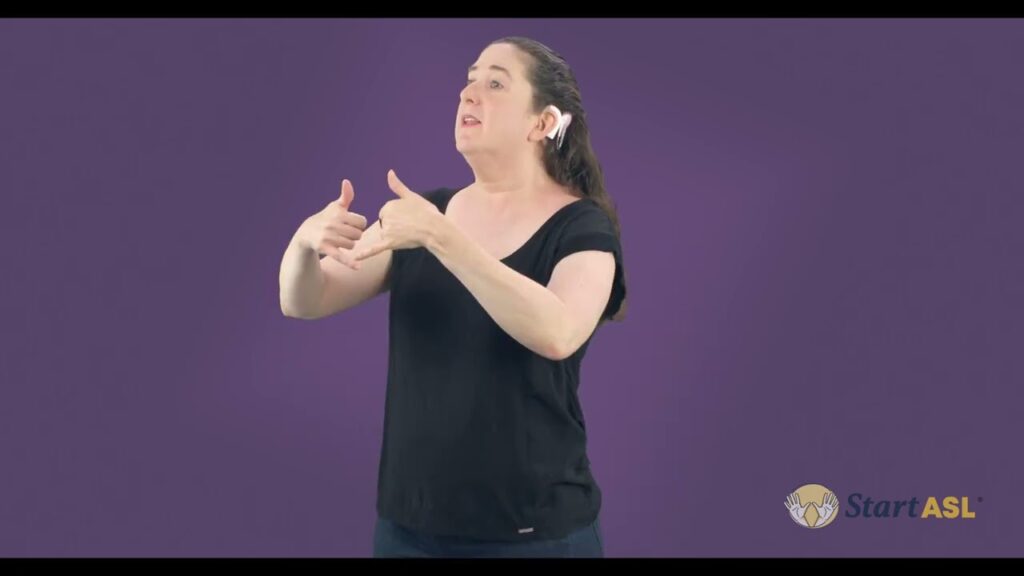
The sign “Award” represents a recognition or honor given to someone for their achievements or contributions. It encompasses various contexts, such as academic achievements, sporting accomplishments, or any form of acknowledgment for excellence. This sign is commonly used in discussions about awards ceremonies or when congratulating someone on receiving an award.
[VIDEO_PLACEHOLDER]
Table of Contents
Forming the sign
- Handshape: Use the dominant hand in a flat ‘B’ handshape (all fingers extended and together, palm facing down).
- Location: Start your dominant hand at the chest area, slightly in front of you.
- Movement: Move the hand outward and slightly upward, as if presenting or offering the award to someone else.
- Non-manual signals: Accompany the movement with an expression of enthusiasm or pride—this can include a smile or raised eyebrows to convey excitement.
The sign visually represents the action of presenting or giving an award. By emphasizing the upward motion and the facial expressions, the sign captures the celebratory nature of receiving recognition. Ensure that your movements are clear and confident to convey the significance of the award being presented.
Using “Award” in sentences
Here are a few examples of how to incorporate the sign “Award” into sentences:
- Yesterday, I received an Award for my volunteer work.
- She was excited to announce the Award winner during the ceremony.
- His dedication earned him the prestigious Award in the industry.
Signs related to “Award”
Consider exploring these related signs to enhance your vocabulary:
- Ceremony – The formal event where awards are often given.
- Recognition – Acknowledgment of achievements, similar to an award.
- Achievement – The act of accomplishing something, which often leads to receiving an award.
- Prize – A reward given for winning a competition, akin to an award.
Common confusion with a similar sign
Some learners may confuse “Award” with the sign for “Present,” which involves a slight variation in handshape and movement. While “Award” focuses on the recognition aspect, “Present” generally refers to giving a gift. Pay close attention to the context and the accompanying facial expressions to differentiate between these two signs accurately.
FAQ
What occasions are typically associated with the sign “Award”?
The sign “Award” is commonly used during ceremonies, academic graduations, sports events, and any scenario where recognition is given for achievements.
Can “Award” be used in different contexts?
Yes, “Award” can refer to various types of recognition, such as scholarships, medals, and honors in different fields like academics, arts, or sports.
Is there a specific expression I should use while signing “Award”?
Yes, using an enthusiastic expression, such as a smile or raised eyebrows, enhances the meaning of the sign and conveys the celebratory aspect of receiving an award.
Are there different signs for “Award” in different regions?
While the basic sign for “Award” remains consistent, there may be slight regional variations in its execution. It’s beneficial to observe local signing communities for nuances.
How can I practice the sign “Award”?
Practice the sign in front of a mirror to refine your handshape, movement, and facial expressions. Additionally, try using it in various sentences to build fluency.
Practice ASL Signs
Use your camera to practice signs and get real-time AI feedback on your technique.
Free · No signup required