
Animal in Sign Language (ASL)
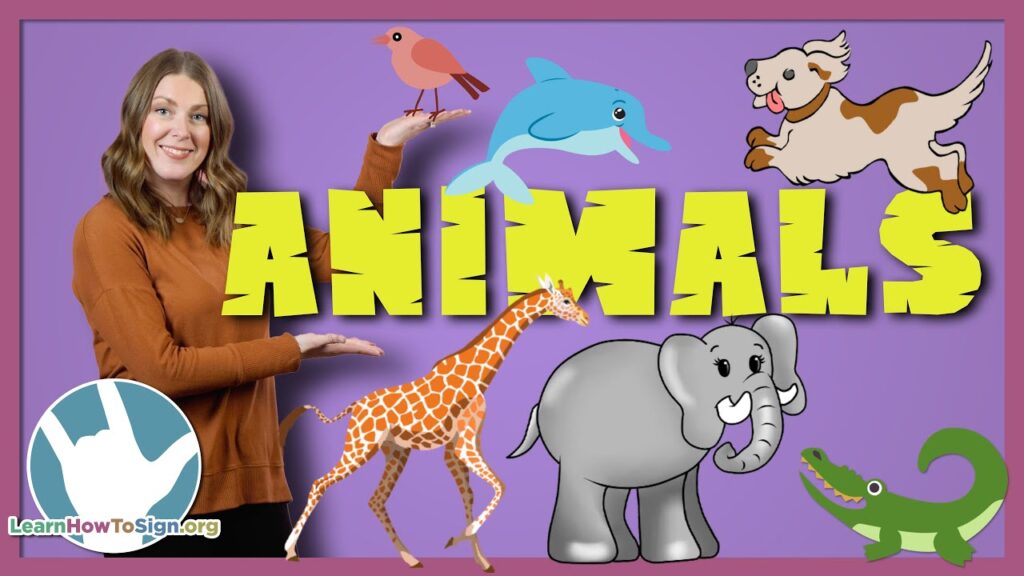
The sign “Animal” is used in American Sign Language to refer to any living creature that is not a human. This includes pets, wild animals, and even insects. It’s a fundamental sign that comes up often in conversations about nature, pets, and wildlife.
[VIDEO_PLACEHOLDER]
Table of Contents
Forming the sign
- Handshape: Use a flat handshape with fingers extended and together. This represents the general shape of a creature.
- Location: Place your dominant hand in front of your body, typically around chest level.
- Movement: Move your hand in a gentle, wavy motion as if you are mimicking an animal’s movement or the way animals may play.
- Non-manual signals: You may raise your eyebrows or lean slightly forward to show interest when signing “Animal,” which adds emphasis to your expression.
This sign is versatile and can be used in various contexts, such as when talking about pets or discussing animal characteristics. It conveys not only the concept of an animal but can also express excitement or curiosity about the subject.
Using “Animal” in sentences
Here are some examples of how to incorporate the sign “Animal” into everyday conversation:
- “I love my dog; he’s my favorite animal.”
- “At the zoo, I saw many different animals.”
- “Do you have any pets? What kind of animals do you like?”
In these sentences, “Animal” acts as a subject or object, helping to convey the speaker’s thoughts clearly. It’s essential to maintain fluidity in your signing to ensure effective communication.
Signs related to “Animal”
There are several signs closely related to “Animal” that you may find useful:
- Pet – A specific type of animal that is domesticated and kept for companionship.
- Wild – Refers to animals that live in nature and are not domesticated.
- Bird – A specific category of animals that fly and have feathers.
- Dog – A popular domesticated animal, often referred to as a man’s best friend.
- Cat – Another common pet known for its independent nature.
Regional variation
The sign for “Animal” can vary slightly by region. In some areas, you might see variations in handshape or movement. This is a common occurrence in ASL, reflecting local signing communities’ preferences. If you’re learning ASL in a specific region, it’s beneficial to observe local signers and adapt accordingly.
FAQ
What is the difference between “Animal” and “Pet”?
“Animal” refers to all living creatures, while “Pet” is specifically used for domesticated animals kept for companionship.
Can I use the sign “Animal” for all types of animals?
Yes, “Animal” can refer to any kind of animal, including mammals, birds, reptiles, and more. Context will clarify the specific type.
Are there signs for specific animals?
Yes, there are specific signs for many animals, like “Dog” or “Cat.” Learning these can enhance your conversations about animals.
Is there a way to express “wild animal” in ASL?
You can combine the sign for “Animal” with a sign for “Wild” to specify that you are talking about wild animals.
How do facial expressions affect the sign “Animal”?
Facial expressions can add emotion or emphasis to your sign. Raising your eyebrows can show excitement or curiosity when discussing animals.
Practice ASL Signs
Use your camera to practice signs and get real-time AI feedback on your technique.
Free · No signup required