
90 in Sign Language (ASL)
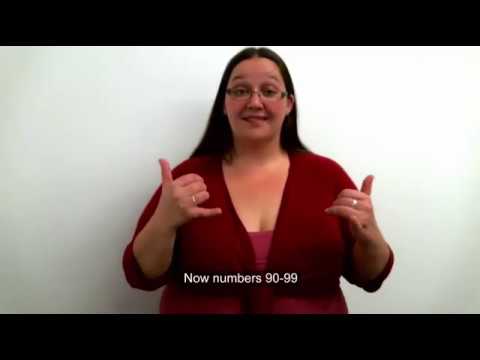
The sign “90” represents the numeric value of ninety and is commonly used in various contexts, such as discussing age, temperatures, or scores. This sign is an essential part of everyday communication, especially when engaging in conversations that involve numbers. Understanding how to accurately form and use this sign is beneficial for effective interactions.
[VIDEO_PLACEHOLDER]
Table of Contents
How to form the sign “90”
- Handshape: Use the dominant hand in a “9” handshape, which involves holding up the index finger and thumb while the other fingers are folded down.
- Location: Position your hand in front of your body, at about chest height.
- Movement: Move the hand slightly forward in a quick motion, as if you are presenting the number.
- Non-manual signals: Maintain a neutral facial expression during the sign, as there are no specific non-manual signals that accompany “90”.
The sign “90” is generally simple to execute once you master the handshape. It is essential to clearly show the number to ensure comprehension, especially in situations where numbers are being discussed. Practice the movement repeatedly until it feels natural.
Using “90” in sentences
The sign “90” can be used in various conversational contexts. Here are some examples:
– “My grandmother turned 90 last week.”
– “The temperature today is expected to reach 90 degrees.”
– “I scored a 90 on my math test!”
These sentences illustrate how “90” can indicate age, temperature, and scores, making it a versatile sign in everyday discussions.
Signs related to “90”
Here are some related signs that may be useful in conjunction with “90”:
– AGE: This sign can be paired with “90” when discussing someone’s age.
– TEMPERATURE: Use this to talk about high temperatures, such as 90 degrees.
– SCORE: This is useful when discussing grades or results, like achieving a 90% on a test.
– NUMBER: A general sign for discussing any numeric values.
– YEAR: This can be combined with “90” when discussing significant years or events.
Common confusion with a similar sign
A common point of confusion is the sign for “9”, which looks similar to “90” but requires a different handshape. To distinguish between the two signs, remember that “90” utilizes a complete handshape (with the thumb and index finger forming a “9” position) and includes a forward movement. In contrast, “9” is more static and is typically signed without the forward motion. Practicing each sign separately will help clarify their differences.
FAQ
How do I remember the sign for “90”?
Associating “90” with its numeric form can help. Practice visualizing the number while signing it. Consider using it in context, such as discussing your age or temperatures, to reinforce its meaning.
Can “90” be used in different contexts?
Yes, “90” can be used in various contexts, such as discussing age, temperature, scores, and more. Its versatility makes it a valuable sign in everyday conversations.
Is there a specific way to emphasize “90”?
You can emphasize “90” by using a more pronounced movement forward when signing. Additionally, altering your facial expression to show excitement or importance can enhance the emphasis.
Are there regional variations of “90”?
While “90” is generally consistent across ASL users, some regional differences may exist in handshape or movement. Engaging with local Deaf communities can provide insight into any subtle variations.
Practice ASL Signs
Use your camera to practice signs and get real-time AI feedback on your technique.
Free · No signup required